Need septic tank pumping in Akron?
Have a slow drain, a bad smell, or a soggy yard? Send a request and Coolfake Septic will connect you with a local provider who can look at it.
No obligation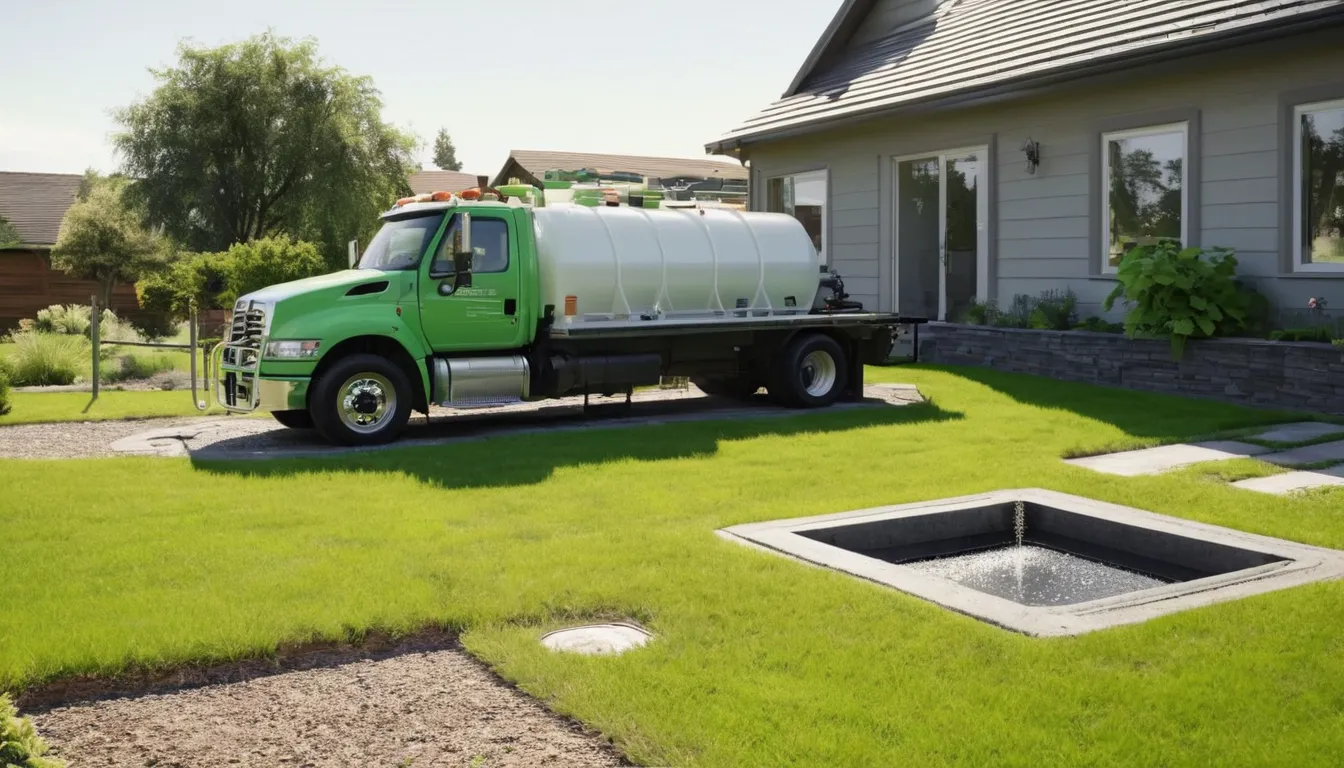
A septic tank holds the waste from your home. Solids sink to the bottom. Grease and scum float to the top. Over time, these layers grow. When they get too thick, waste can slip out into the drainfield, the soil area that cleans the water. That can ruin it.
Pumping removes the buildup. A truck with a big vacuum hose does the job. You cannot do this safely alone. Coolfake Septic does not pump tanks. We connect you with independent providers in our network near Akron. Read on to learn the warning signs, what a visit looks like, and what to ask.
Look for these signs first. Drains run slow. Toilets gurgle. Bad smells hang over the yard. Wet, spongy grass sits over the tank or drainfield. Sewage may even back up into a tub or floor drain.
If you see backup or pooling sewage, treat it as urgent. Stop using water. That means no laundry, no showers, no dishwasher. Every drop you add has nowhere to go.
Request a callback to check provider availability for emergency septic cleaning.
Know your limits. You can do a few things alone and stay safe.
That is where DIY ends. Do not open the tank. Gas inside can knock a person out fast. A fall into the tank can be deadly. Pumping needs a truck, a vacuum hose, and trained hands.
Sludge is the heavy gunk that settles at the bottom. Scum is the greasy layer on top. A tank works well when there is clear space between them.
When that space shrinks, solids move into the drainfield. Soil pores clog. Water stops draining. Then you face drainfield repair, which costs far more than a pump-out.
Small sign, small fix. Pumping on time is the small fix.
Many homes need pumping every three to five years. Your number may differ. It depends on three things.
A garbage disposal adds solids too. Homes that use one often need pumping sooner. Ask a provider to measure the layers. Then you will know your real schedule.
Deep frost can lock up lids and slow the soil. Spring flooding can soak a drainfield. A full tank handles that stress poorly. A tank pumped in the fall has room to spare when the thaw comes.
Heavy storms can also overload a system. Extra space in the tank gives you a cushion.
The visit is simple. Here is the usual flow.
The provider locates the tank. Lids may be buried. They dig down and open them.
A hose pulls out liquid, scum, and sludge. The provider may stir the bottom so thick solids come up too.
The provider checks the baffles. Those are the small walls or pipes that guide water in and out. They also look for cracks and signs of backflow.
The lids go back on. Many providers will note what they saw so you have a record.
A pump-out is a good time to check the tank. The provider can see the empty walls. A full tank hides problems.
Some providers offer a deeper inspection for an added fee. Ask what is included. Get it in writing.
Lenders and buyers often want proof the system works. A recent pumping and inspection helps. Buyers feel safer. Sellers face fewer surprises.
If you are buying, ask for pumping records. If the tank is old or the records are missing, plan for a check before closing.
Small habits protect the system.
If you also rely on a private well, keep it in mind. Septic problems can affect water quality. A local provider may refer you to water well service when needed.
A few good questions save trouble later.
A good provider answers in plain words.
Look, then call. If your tank is due or you see warning signs, act early.
A truck pulls out liquid, scum, and sludge so your tank has fresh room to work.
Providers find and open buried lids so they can reach the tank safely.
The provider looks at inlet and outlet baffles and the tank walls for cracks.
Many providers share what they saw, so you can keep a record for later pumpings and any home sale.
Prices vary by tank size, access, distance, and how full the tank is. These are typical U.S. ranges only. Always ask for a written quote before work starts.
| Item | Typical range | Notes |
|---|---|---|
| Standard pump-out (1,000 gal) | $250 – $450 | Common for smaller homes |
| Larger tank (1,500+ gal) | $350 – $650 | More volume costs more |
| Digging to find lids | $75 – $250 | Needed if lids are buried |
| Riser and lid install | $200 – $600 | Makes future access easier |
| Tank inspection add-on | $100 – $400 | Varies by depth of check |
| Emergency septic cleaning | $400 – $900 | Often priced higher for urgent calls |
Note slow drains, smells, wet spots, or backups. Stop heavy water use if sewage is coming up.
Request a callback or send the request form with a few details.
A provider in our network reviews your needs and gives you a written quote.
The provider pumps the tank, checks the parts, and tells you when to pump next.
We explain what you can check alone and what needs a pro, so you do not guess or take risks.
Providers in our network work near Akron and know the local soil and weather.
Request an estimate and compare. You choose whether to hire a provider.
Learn the small signs so you can act before a big repair.
Have a slow drain, a bad smell, or a soggy yard? Send a request and Coolfake Septic will connect you with a local provider who can look at it.
No obligationSlow drains, gurgling toilets, bad yard smells, and soggy grass over the tank are common signs. Backups inside the house mean it is urgent. A provider can confirm the tank level.
Many homes pump every three to five years. Tank size, household size, and water use change that. A provider can measure the sludge layer and give you a schedule that fits your home.
No. Tank gas is dangerous and the waste needs proper disposal. Pumping needs a truck and trained hands. You can help by saving records and cutting water use.
Have a slow drain, a bad smell, or a soggy yard? Send a request and Coolfake Septic will connect you with a local provider who can look at it.
No obligation